

The Great Screen Debate: What does research say about screen time and language development?
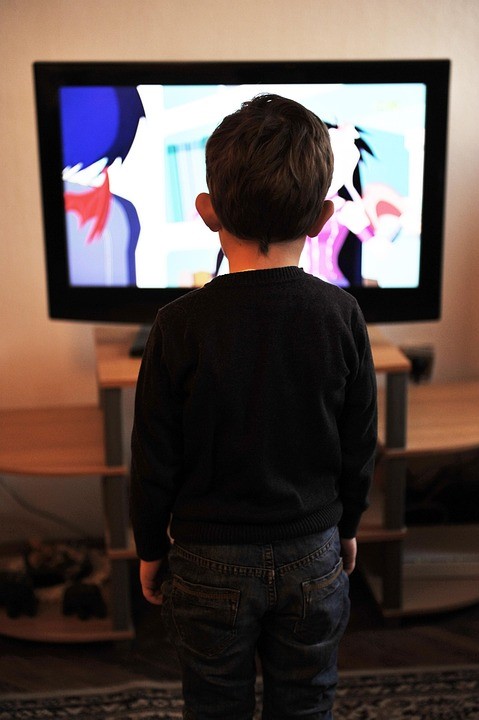
What impact does screen time have on children’s language development? Dive into the research behind the screen time debate and discover what parents, educators, and professionals should know.
Take a moment right now to think about how many devices you have access to at any given time. Three, five, more, less? As adults, most of us have access to at least one device all the time. In fact, according to Backlinko in January 2025, here are a few startling statistics:
- Worldwide, people spend an average of 6 hours and 40 minutes per day on screens.
- In the US, the average screen time per day hit 7 hours and 3 minutes.
- Nearly half (41%) of American teenagers (13-18) have a screen time of more than 8 hours per day.
- Entertainment screen time among children in the US has risen from 4 hours 44 minutes in 2019 to 5 hours 33 minutes in 2021.
- South Africans spend 9 hours 24 minutes on their screens each day (that’s 2 hours 44 minutes more than the global average).
Screen time and language development: What the research says
It is the “golden age” of technology, right? But how much is too much, and how early is too early? We often have that person in our family, often younger than we are, who can swoop in and take care of any technological issue or hook up electronics. Thank goodness, right? Has it gone too far though with many of us feeling panicked if we can’t find our phones, or young children having screens in front of them from early on? While an adult’s mental and emotional health can be affected by how they handle screen time, let’s focus today on the impacts of screen time on young children.
In today’s digital world, screens are part of everyday life, from smartphones and tablets to TVs and laptops. While technology can offer educational benefits, research shows that excessive or passive screen time can negatively impact young children’s speech and language development, especially in the early years when language skills are forming rapidly.
Why Language Development Matters
The first few years of life are critical for developing communication skills. During this time, children learn language best through social interaction: watching facial expressions, listening to tone and inflection, and engaging in responsive conversations. The value of real-time, face-to-face interaction is paramount to developing the early social-emotional skills that become lifelong building blocks for successful relationships.
What the Research Shows
1. Too Much Screen Time May Delay Language Development
A 2017 study published in JAMA Pediatrics found that increased screen time at 18 months was associated with a delay in expressive language skills at 30 months. Each additional 30 minutes of screen time per day was linked to a 49% increased risk of expressive language/speech delay.
Source:
Madigan, S., et al. (2017). Association Between Screen Time and Children’s Performance on a Developmental Screening Test. JAMA Pediatrics, 171(5), 384–391.
Wowza! That tidbit says a lot!
But you might be thinking, “When we’re out to dinner, I just want my kiddo to sit peacefully while we all enjoy dinner. Everyone, even the people around me, deserve peace and quiet at dinner.” Valid points. However, instead of leaning on the screen, find other ways to connect: a puzzle book, play tic-tac-toe, even hangman for older kids. Also, take time to connect through conversation, using open-ended questions to encourage more expressive language.
2. Passive Viewing Lacks Social Interaction
The American Speech-Language-Hearing Association (ASHA) emphasizes that passive screen use (watching without interaction) doesn’t provide the back-and-forth communication children need to build vocabulary, sentence structure, and comprehension skills.
Now this is the hard part, especially with young kids. If you are offering a small amount of screen time, make it as interactive as possible. Sing songs together and have a dance party, talk about what is happening and ask what could happen next, play an interactive game, even try to find a book at the library on the same topic or the same series.
ASHA Resource:
Screens and Communication Development
3. Parental Interaction Changes During Screen Use
Research shows that parents tend to talk less to their children when screens are present. Even background TV can reduce the quantity and quality of parent-child verbal interaction.
Source:
Zimmerman, F.J., et al. (2009). TV and Parent-Child Interaction. Pediatrics, 124(4), 1063-1071.
That background TV can provide a springboard for other interactions. Maybe it will bring up a shared memory to discuss or fun to be had in the future. Be purposeful!
4. Not All Screen Time Is Equal
Interactive and co-viewed media experiences (e.g., a caregiver watching and discussing a show with a child) can have more positive outcomes. The key is making screen time a shared, language-rich activity.
Learn more:
ASHA Tips for Using Media with Young Children
Expert Recommendations
- For children under 18 months, avoid screen time except for video chatting.
- For children 18–24 months, choose high-quality programming and watch it together.
- For ages 2–5, limit screen use to 1 hour per day of co-viewed, educational content.
- Prioritize talk, play, reading, and real-world experiences over passive screen time.
Based on:
American Academy of Pediatrics Media Guidelines
Final Thoughts
Technology isn’t inherently harmful! But how, when, and with whom it’s used makes all the difference. Supporting language development means turning screen time into connection time, using face-to-face interaction, storytelling, and conversation as your child’s most powerful learning tools.
Learn more at mtapractice.com
Let’s build bridges, not barriers.