Mental Health Sign Language Interpreter Role

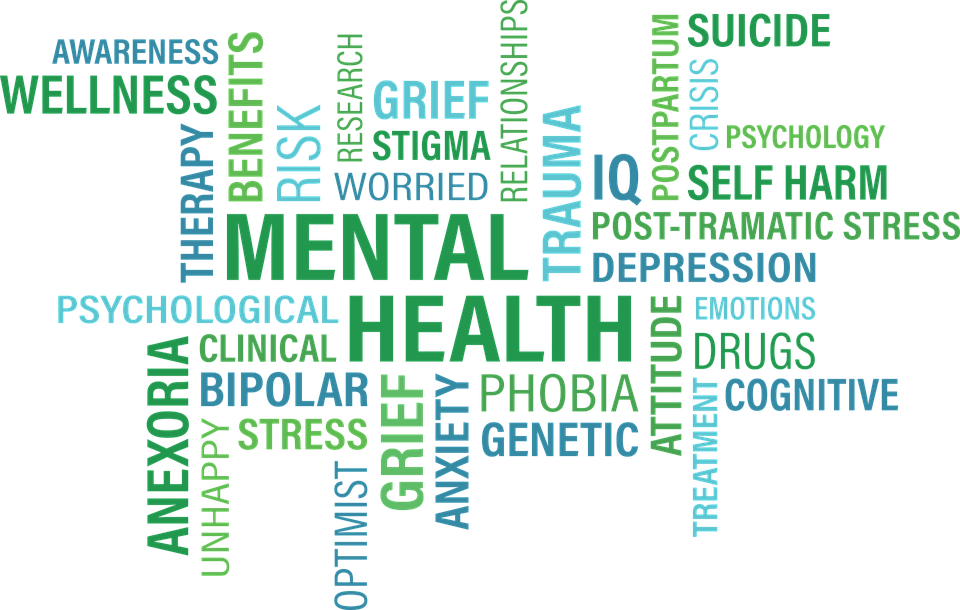
Word cloud about mental health

Sign Language Interpreters work in a variety of settings. One of the most challenging settings is mental health.  This may include inpatient or emergency room appointments, outpatient ongoing treatments, or in-unit mental health institutional appointments.  When interpreting for or selecting an interpreter for these appointments and treatments, it is critical to consider the background and knowledge required for this setting since the mental health sign language interpreter role is critical to the success of patients’ recovery.

Mental Health SettingsMental Health Sign Language Interpreter Role
Sign language interpreters may be called in to various mental health settings.  These include emergency room visits, outpatient appointments, inpatient admission, day programs, self-help groups (i.e. AA, NA, 12-step programs), and others.  Specific types of appointments include therapy and counseling either one-on-one or group, medication exams, medical appointments, and religious services.  According to RID’s Standard Practice Paper about Mental Health Interpreting, sign language interpreters should be familiar with these settings and their terminology to effectively interpret.

Terminology

Names of medication, symptoms, and side effects may be discussed in specific detail.  Qualified interpreters will understand the purpose of various medications and questions clinicians ask.  If an interpreter is unfamiliar with terminology, they use tools for meaningful deduction and often stop to ask for clarification.

Interpreter as Part of the Team

The mental health sign language interpreter role may include involvement with the mental health team.  The interpreter may be called upon to contribute linguistic and cultural information regarding sign language and the Deaf community.  They will share their expertise with the clinician(s) so the doctors can accurately diagnose and/or treat the patient.  They will also keep in mind the sensitive nature of topics in this setting.  Confidentiality is just as important as the recovery of the patient. See Ethics When Working with a Sign Language Interpreter.

Compassion Fatigue

Frequently when working in mental health environments, professionals experience compassion fatigue also known as vicarious trauma.  Any individual would have an emotional reaction when meeting patients who suffer from depression, OCD, schizophrenia, and other mental illnesses.   A mental health sign language interpreter role requires an even deeper and ongoing emotional connection to patients.  Interpreters take on the feelings of patients when providing an accurate translation.  Mental health professions, and especially interpreters, will likely experience similar emotions after working in such environments.  They may become depressed or withdrawn.  Refer to Sign Language Interpreter Burnout for more specific information about the dangers of and how to avoid compassion fatigue.


Resources:

Interpreting in Mental Health Settings

Code of Professional Conduct

http://www.compassionfatigue.org/


Photo Credit:

https://pixabay.com/en/mental-health-mental-health-cloud-1389919/
shelly-headshot-3-brand.webp

Shelly Tisius (she/her), RID-NIC, MICS5/BEI-Master

Founder, CEO, and ASL Interpreter

I've been leading teams since long before I became a professional interpreter in 2002, and I worked my own way through school, so I know what it means to build something from the ground up. In 2013 I founded MT & Associates, now Handled. ASL Interpreting, and today I lead how we work, so every detail is handled for our clients.

Categories

Tablet showing an online Create Your Calm workshop

The Communication Access Planning Guide

A free starter guide to planning interpreting and captioning for your event, campus, agency, or workplace. Learn how much notice to give, what each service does, and how to book with confidence. Every guide includes a section for your audience, so you get what’s relevant to you.

Blue circular icon of an I love you handshape

Communication access shouldn't be one more thing to figure out.

See how our ASL interpreting, live captioning, and audio description services can support your event, campus, agency, or workplace. Consider it handled.

Shelly Tisius, Founder and CEO

Shelly Tisius (she/her),
RID-NIC, MICS5/BEI-Master

Founder, CEO, and ASL Interpreter

I’ve been leading teams since long before I became a professional interpreter in 2002, and I worked my own way through school, so I know what it means to build something from the ground up. I’ve done every part of this work, and I love it all. In 2013 I founded MT & Associates, now Handled. ASL Interpreting, and today I lead how we work, so every detail is handled for our clients.

Outside of work, I’m a proud military spouse and mom, usually on the go with my kids.

Bryce Buckley, Operations Manager

Bryce Buckley (he/him)

Operations Manager

As a first-generation college student supporting myself through school, I developed a passion for helping others access the resources and support they need. After several years advocating for students and their families in higher education, I now bring that same commitment to my role as Operations Manager at Handled. ASL Interpreting. I am honored to support our mission of serving the Deaf community and helping people feel heard, understood, and connected.

Bryce spends much of his free time crocheting, bowling, at the gym, with friends, and spending time with his partner and chihuahua, Mabel.

Rain Pioquinto, HR and Social Media Specialist

Rain Pioquinto

HR & Social Media Specialist

Rain Pioquinto helps keep day-to-day operations organized, assists with team and office needs, and supports Handled. ASL Interpreting marketing and communications. She enjoys working behind the scenes, keeping things running smoothly, and finding ways to make everyday processes easier for the team.

Outside of work, she loves spending time at home with her family, occasionally tending to her garden, and enjoying a good cup of coffee.

Caleb Miller, Operations Coordinator

Caleb Miller, BEI Basic

Operations Coordinator

Caleb Miller brings over a decade of experience working alongside the Deaf community to his role as Coordinator. As a certified interpreter (BEI - Basic), he loves applying the skills and insights he has gathered over the past 10+ years to ensure smooth, successful language access for everyone.

Outside of the office, Caleb loves spending quality time with his wife, Natalie, and their two dogs, Marnie and Winnie. When he isn't out on the disc golf course, you can usually find him tackling a good home project in his spare time.

Shannon Veneziani, Operations Coordinator

Shannon Veneziani

Operations Coordinator

Shannon Veneziani helps clients and interpreters know what to expect before every assignment. Whether she's confirming where to meet for a class or finding coverage when a schedule changes, she makes sure everyone has the details they need. Before joining the team, Shannon spent a decade in the coffee industry, managing shops and training new managers across several states. That experience sparked a passion for operations and taught her that the best plans leave room for change, and the questions that are easy to overlook are often the most important ones.

Outside of work, Shannon is usually at the gym, with her family or at home with her cavapoo, Willie. And yes, she can still make you a great cup of coffee.

Scroll to Top