Cultural Differences in Sign Language Services: What You Need to Know 

When people think about language, they often imagine spoken words: English, Spanish, French. But sign languages? They’re just as rich, complex, and deeply rooted in culture.  At MT & Associates, we know that language is more than just communication, it’s connection. That’s why understanding the cultural differences in sign language services is not just helpful, it’s essential to offering inclusive, respectful, and effective interpreting. 

Not All Sign Languages Are the Same 

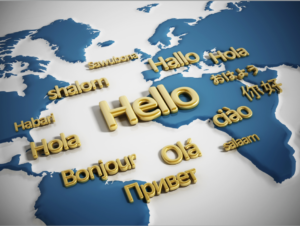
Let’s start with a common misconception: there’s no universal sign language. American Sign Language (ASL) is not the same as British Sign Language (BSL), French Sign Language (LSF), or Auslan (Australian Sign Language). Each has its own grammar, vocabulary, and cultural context. 

Imagine being in a business meeting where the interpreter uses sign language from a different country. It’s a bit like speaking French in a room where everyone communicates in English, unintentionally confusing and potentially perceived as disrespectful. 


Culture Shapes Language and the Interpreting Experience 


Sign languages are inseparable from Deaf culture, which varies around the world. Here are a few cultural insights that affect interpreting services:

Formality vs. Familiarity

In some cultures, interpreters are expected to remain distant and neutral. In others, relationship-building and warm engagement are key. For example, in many Deaf communities across the U.S., rapport and trust are vital, interpreters are more than voices; they’re partners in communication.

Role of the Interpreter

In some countries, interpreters may act more like cultural mediators, not just translators. That means they provide context, bridge communication gaps, and help navigate situations where Deaf norms and hearing norms don’t match up.

Time, Eye Contact, and Space

Eye contact and physical space are critical in sign language. In some cultures, long pauses or direct eye contact may feel intense, but in ASL, these are often essential elements of communication. 


Language Access ≠ Cultural Access 
 

Offering sign language interpreting is a great start. But language access is only one piece of the puzzle. True inclusion happens when interpreters are culturally competent and trained to recognize nuances across Deaf communities and different cultures. 


Pro Tip for Organizations: When hiring interpreters, don’t just ask if they know ASL. Ask if they understand Deaf culture. Ask if they’ve worked with diverse clients like immigrant Deaf people, BIPOC Deaf communities, LGBTQIA+ Deaf individuals, and more. 


Cultural Differences in Sign Language Services


How MT & Associates Bridges Cultural Gaps


We do more than provide sign language services. We partner with clients and communities to ensure culturally responsive, accurate, and empowering communication. Our interpreters are trained not only in language but in the rich cultural contexts that come with it. 

We listen. We learn. And we lead with respect, inclusion, and excellence.  

 
Final Thoughts 

Cultural differences aren’t barriers, they’re bridges. When we take the time to understand and honor the cultural layers behind sign language, we build stronger, more inclusive communities. 

If you’re ready to elevate your accessibility efforts and ensure your services meet the real needs of Deaf and Hard of Hearing individuals, we’re here to help. 

Let’s build communication equity, together. 

Resources: 
tlcdeaf.org


shelly-headshot-3-brand.webp

Shelly Tisius (she/her), RID-NIC, MICS5/BEI-Master

Founder, CEO, and ASL Interpreter

I've been leading teams since long before I became a professional interpreter in 2002, and I worked my own way through school, so I know what it means to build something from the ground up. In 2013 I founded MT & Associates, now Handled. ASL Interpreting, and today I lead how we work, so every detail is handled for our clients.

Categories

Tablet showing an online Create Your Calm workshop

The Communication Access Planning Guide

A free starter guide to planning interpreting and captioning for your event, campus, agency, or workplace. Learn how much notice to give, what each service does, and how to book with confidence. Every guide includes a section for your audience, so you get what’s relevant to you.

Blue circular icon of an I love you handshape

Communication access shouldn't be one more thing to figure out.

See how our ASL interpreting, live captioning, and audio description services can support your event, campus, agency, or workplace. Consider it handled.

Shelly Tisius, Founder and CEO

Shelly Tisius (she/her),
RID-NIC, MICS5/BEI-Master

Founder, CEO, and ASL Interpreter

I’ve been leading teams since long before I became a professional interpreter in 2002, and I worked my own way through school, so I know what it means to build something from the ground up. I’ve done every part of this work, and I love it all. In 2013 I founded MT & Associates, now Handled. ASL Interpreting, and today I lead how we work, so every detail is handled for our clients.

Outside of work, I’m a proud military spouse and mom, usually on the go with my kids.

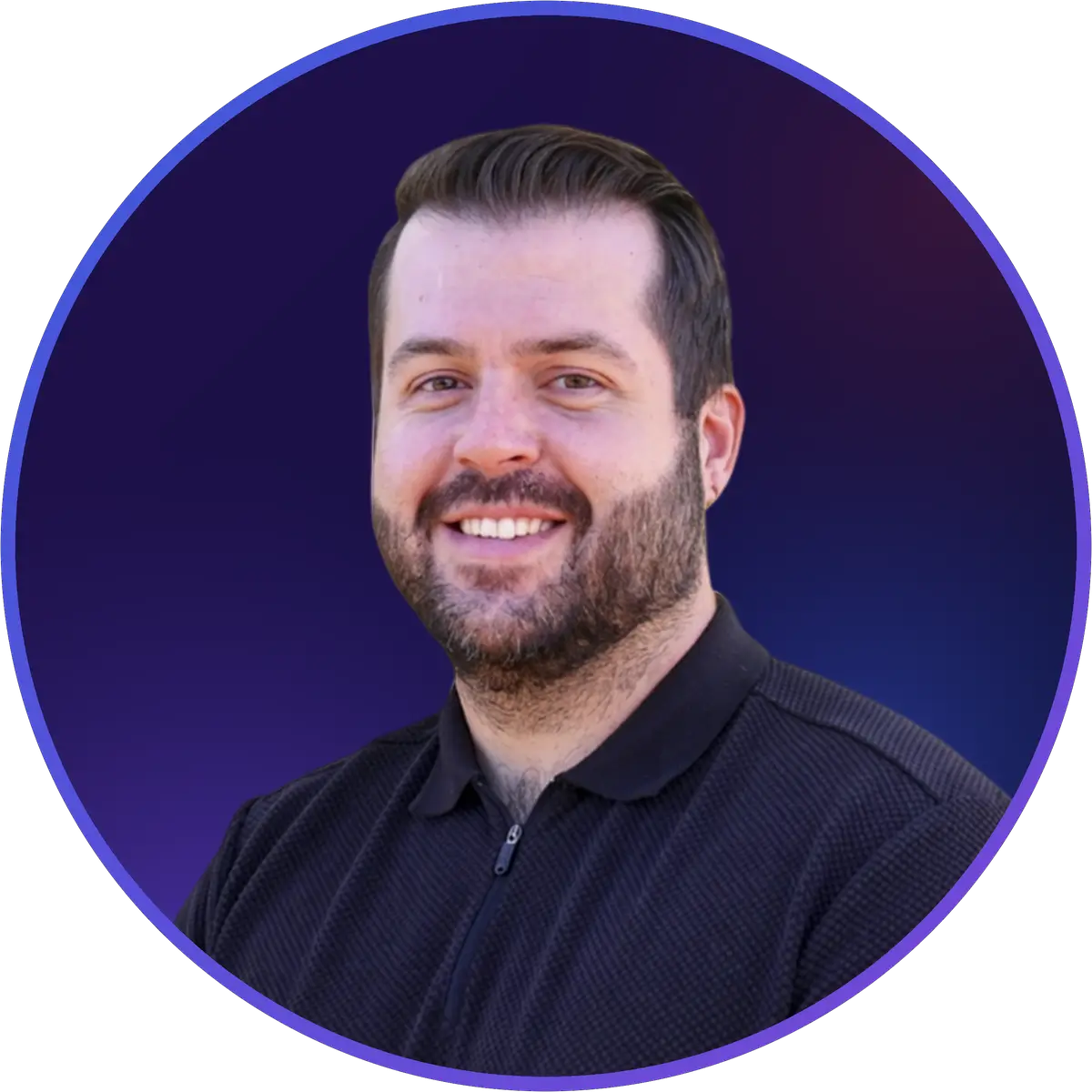
Bryce Buckley, Operations Manager

Bryce Buckley (he/him)

Operations Manager

As a first-generation college student supporting myself through school, I developed a passion for helping others access the resources and support they need. After several years advocating for students and their families in higher education, I now bring that same commitment to my role as Operations Manager at Handled. ASL Interpreting. I am honored to support our mission of serving the Deaf community and helping people feel heard, understood, and connected.

Bryce spends much of his free time crocheting, bowling, at the gym, with friends, and spending time with his partner and chihuahua, Mabel.

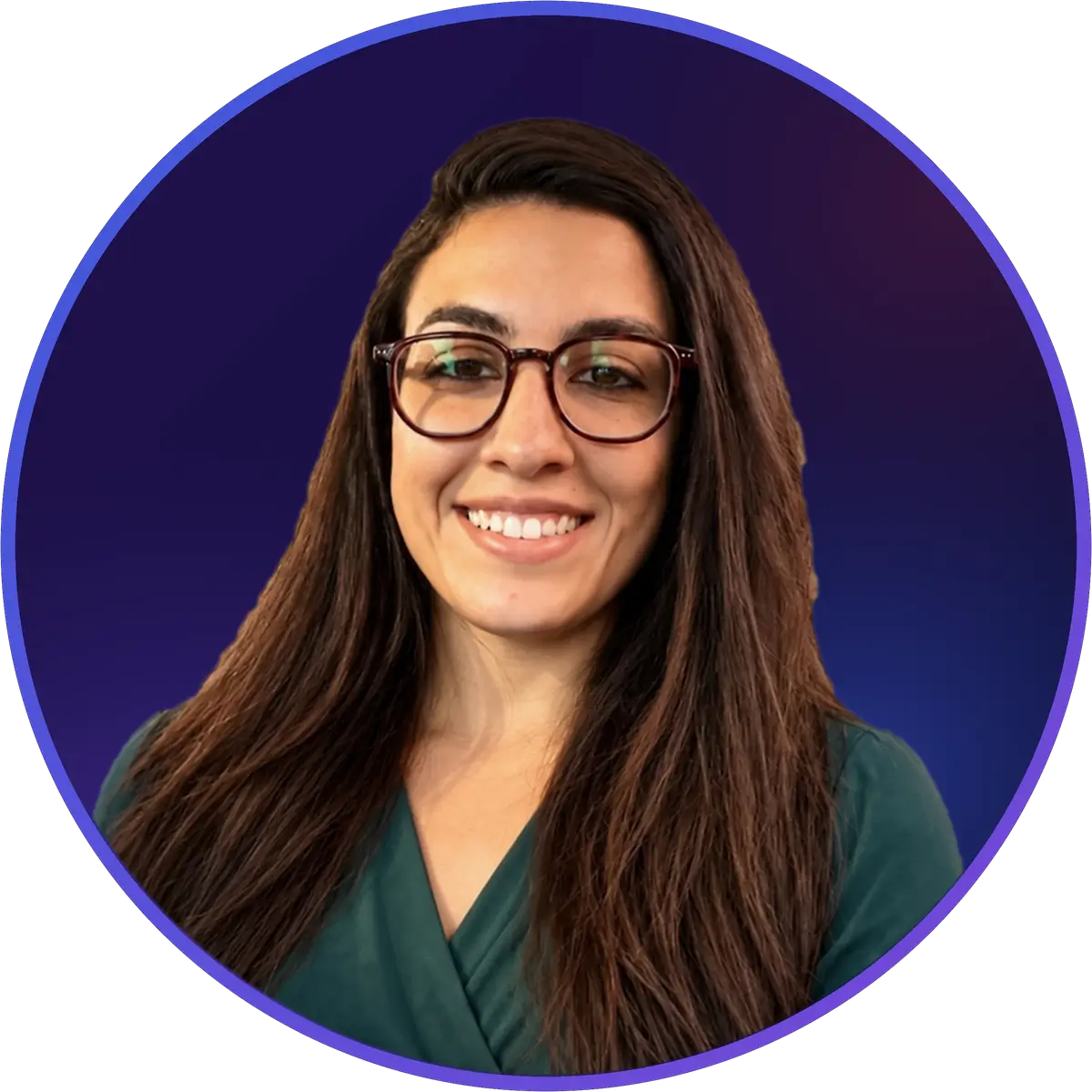
Rain Pioquinto, HR and Social Media Specialist

Rain Pioquinto

HR & Social Media Specialist

Rain Pioquinto helps keep day-to-day operations organized, assists with team and office needs, and supports Handled. ASL Interpreting marketing and communications. She enjoys working behind the scenes, keeping things running smoothly, and finding ways to make everyday processes easier for the team.

Outside of work, she loves spending time at home with her family, occasionally tending to her garden, and enjoying a good cup of coffee.

Caleb Miller, Operations Coordinator

Caleb Miller, BEI Basic

Operations Coordinator

Caleb Miller brings over a decade of experience working alongside the Deaf community to his role as Coordinator. As a certified interpreter (BEI - Basic), he loves applying the skills and insights he has gathered over the past 10+ years to ensure smooth, successful language access for everyone.

Outside of the office, Caleb loves spending quality time with his wife, Natalie, and their two dogs, Marnie and Winnie. When he isn't out on the disc golf course, you can usually find him tackling a good home project in his spare time.

Shannon Veneziani, Operations Coordinator

Shannon Veneziani

Operations Coordinator

Shannon Veneziani helps clients and interpreters know what to expect before every assignment. Whether she's confirming where to meet for a class or finding coverage when a schedule changes, she makes sure everyone has the details they need. Before joining the team, Shannon spent a decade in the coffee industry, managing shops and training new managers across several states. That experience sparked a passion for operations and taught her that the best plans leave room for change, and the questions that are easy to overlook are often the most important ones.

Outside of work, Shannon is usually at the gym, with her family or at home with her cavapoo, Willie. And yes, she can still make you a great cup of coffee.

Scroll to Top