
Differences Between Our Cultures: Terminology and Language

Two men sitting apart with laptops against a brick wall

We live in each other’s backyards.  We have been neighbors since the birth of our nation.  But not until the last several years with the development of technology and media did the Deaf Community truly become visible to the hearing world.  Even so, there are many differences between our cultures still unknown or misunderstood.Differences Between Our Cultures

Identifying Terminology

What is politically correct and what is culturally preferred are two different things.  For example, In These Times magazine describes the term Gay: “The word used to refer to males and, inclusively, to the whole gender-bent community. ‘College-age people are more likely to refer to themselves as queer,’ says Hill. ‘People out of college are more likely to refer to themselves as gay.’”

Each individual depending on their background, experiences, region, and age may have a different preferred term to identify themselves.  Most people who are unable to hear do not like the politically correct term “hearing impaired.”  They instead choose to identify as hard-of-hearing or Deaf.  As with other cultures, be sure to ask the preference of the individual before assuming an identifying term to describe them.

Capital D “Deaf”

According to In These Times magazine, it is politically correct to capitalize the term Black when referring to this community.  “At Colorlines “black” is used with a capital B, while The Associate Press Stylebook advises use of the lower case.” (In These Times)  Similarly, there is a different between the term “deaf” with a lower case d versus “Deaf” with a capital D.  Find more on this in an article about Capital D Deaf.

Linguistic Variances

As with all other spoken languages, there are linguistic variances between English and American Sign Language.  Also, within ASL, there are differences between individual’s language depending on region, education level, cultural background, and upbringing.  If they were brought up learning in an all-hearing family without the use of sign language on a daily basis, when they learn ASL, they may use more of an English word order.  On the other hand, if someone was raised with Deaf parents and/or a Deaf family, they may have used ASL all their life.  Their language may be a very different word order and grammar than English.

English typically has the following word order: Subject, Verb, Object.  ASL has a different word order: Object, Subject, Verb.  English depends on verbal inflection to determine meaning.  Saying a sentence one way may be to show sincerity while saying it another way may portray sarcasm.  Similarly ASL depends on facial expressions and body language to determine meaning.  Very little of a language is about the words.  Much more is about the tone or facial expressions.  As quoted by Terp Topics: “Without grammar, words do not a language make.” (Terp Topics)

And More

There are many other aspects to consider when encountering someone of a different culture.  Identifying terminology and language are only the beginning of differences between our cultures.  Now that you the know these things, consider other aspects such as respectful ways to interact with a Deaf person for the first time.  It can feel awkward to try to talk to someone who uses sign language or whose voice sounds different than yours.  Refer to First Contact with the Deaf Community for more information on how to interact with or talk about someone who is Deaf or hard-of-hearing.


Additional Resources:

https://www.youtube.com/watch?v=wa0nxppMJ-Q

http://www.terptopics.com/GrammarASL.htm


Photo Credit:
https://pixabay.com/en/brick-brick-wall-business-2449728/

shelly-headshot-3-brand.webp

Shelly Tisius (she/her), RID-NIC, MICS5/BEI-Master

Founder, CEO, and ASL Interpreter

I've been leading teams since long before I became a professional interpreter in 2002, and I worked my own way through school, so I know what it means to build something from the ground up. In 2013 I founded MT & Associates, now Handled. ASL Interpreting, and today I lead how we work, so every detail is handled for our clients.

Categories

Tablet showing an online Create Your Calm workshop

The Communication Access Planning Guide

A free starter guide to planning interpreting and captioning for your event, campus, agency, or workplace. Learn how much notice to give, what each service does, and how to book with confidence. Every guide includes a section for your audience, so you get what’s relevant to you.

Blue circular icon of an I love you handshape

Communication access shouldn't be one more thing to figure out.

See how our ASL interpreting, live captioning, and audio description services can support your event, campus, agency, or workplace. Consider it handled.

Shelly Tisius, Founder and CEO

Shelly Tisius (she/her),
RID-NIC, MICS5/BEI-Master

Founder, CEO, and ASL Interpreter

I’ve been leading teams since long before I became a professional interpreter in 2002, and I worked my own way through school, so I know what it means to build something from the ground up. I’ve done every part of this work, and I love it all. In 2013 I founded MT & Associates, now Handled. ASL Interpreting, and today I lead how we work, so every detail is handled for our clients.

Outside of work, I’m a proud military spouse and mom, usually on the go with my kids.

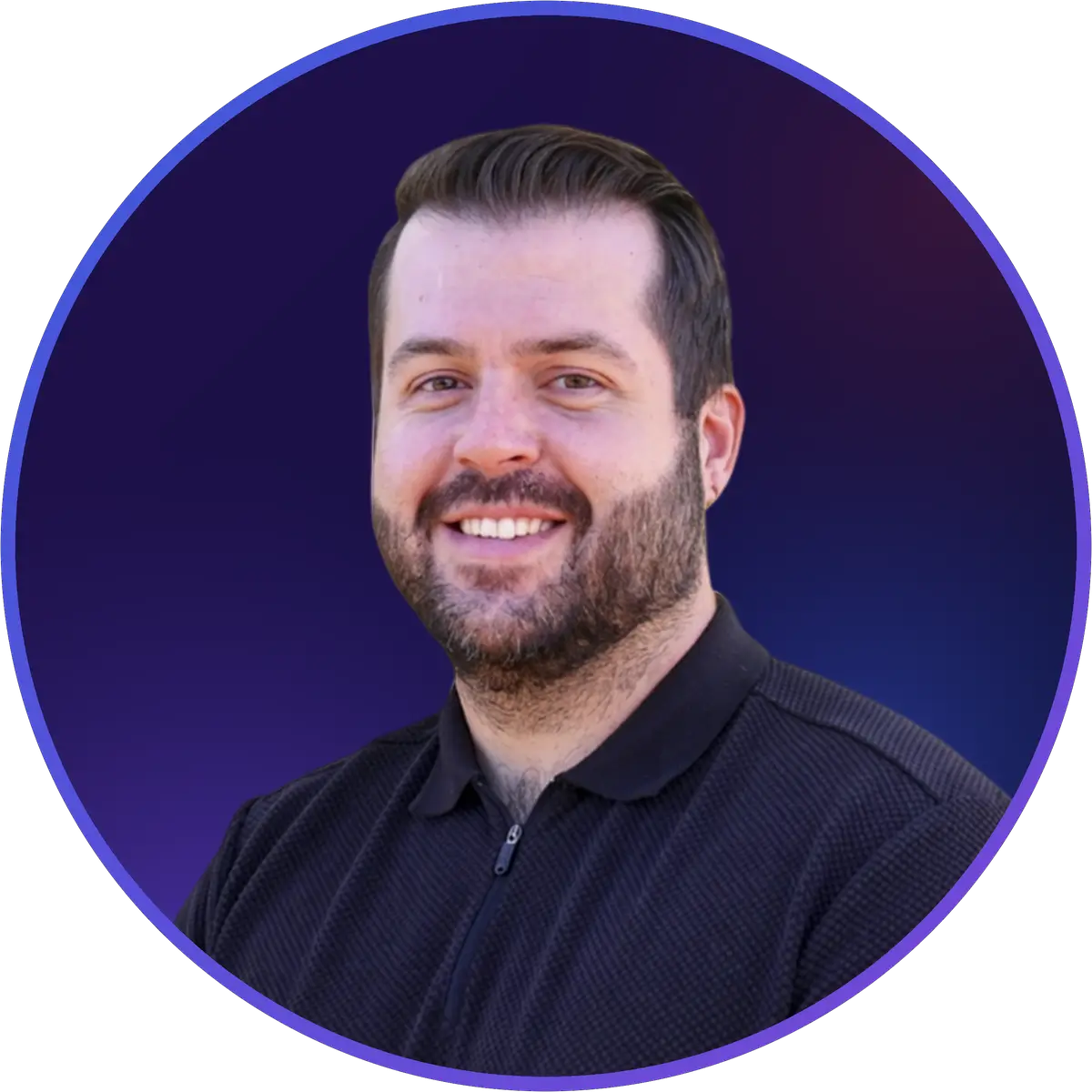
Bryce Buckley, Operations Manager

Bryce Buckley (he/him)

Operations Manager

As a first-generation college student supporting myself through school, I developed a passion for helping others access the resources and support they need. After several years advocating for students and their families in higher education, I now bring that same commitment to my role as Operations Manager at Handled. ASL Interpreting. I am honored to support our mission of serving the Deaf community and helping people feel heard, understood, and connected.

Bryce spends much of his free time crocheting, bowling, at the gym, with friends, and spending time with his partner and chihuahua, Mabel.

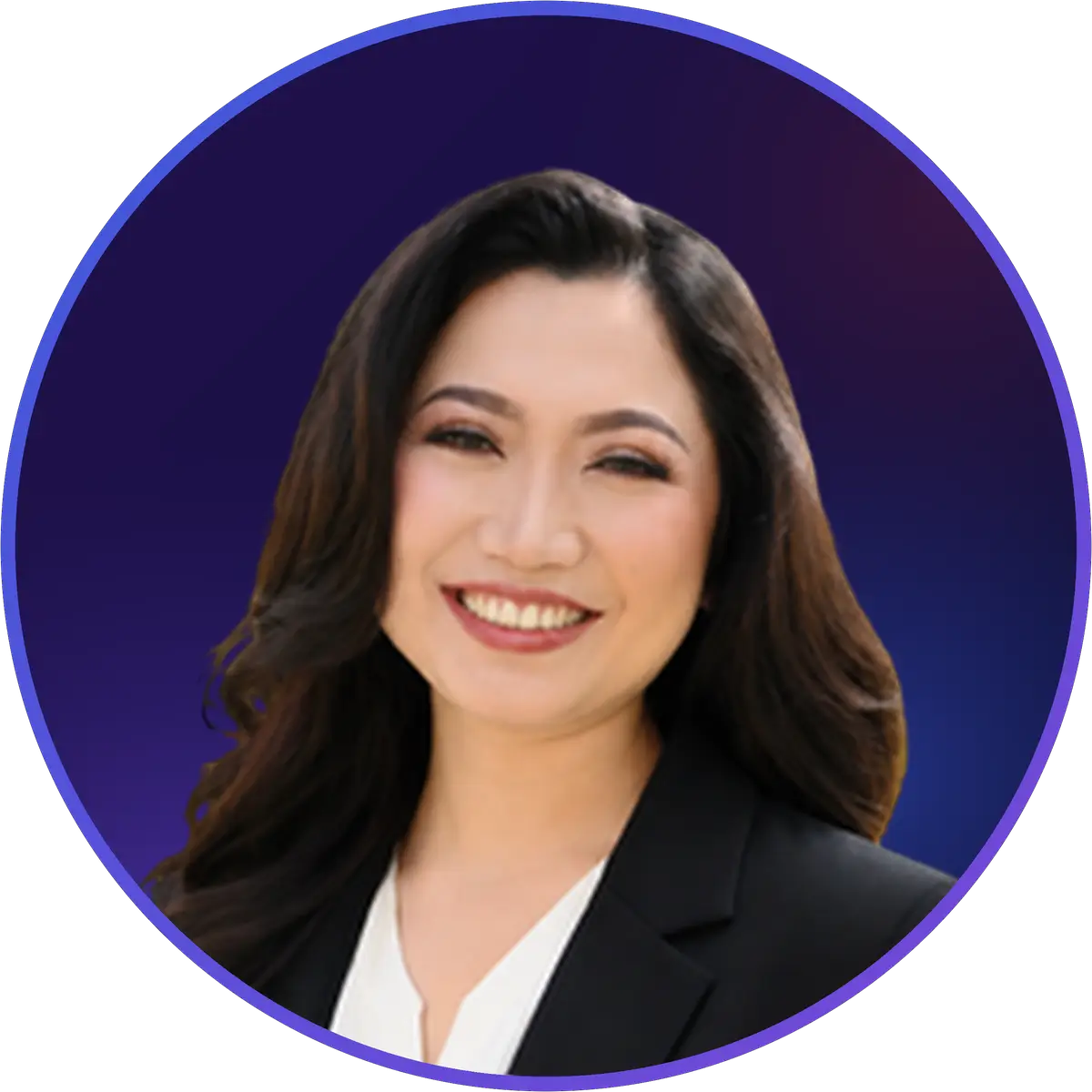
Rain Pioquinto, HR and Social Media Specialist

Rain Pioquinto

HR & Social Media Specialist

Rain Pioquinto helps keep day-to-day operations organized, assists with team and office needs, and supports Handled. ASL Interpreting marketing and communications. She enjoys working behind the scenes, keeping things running smoothly, and finding ways to make everyday processes easier for the team.

Outside of work, she loves spending time at home with her family, occasionally tending to her garden, and enjoying a good cup of coffee.

Caleb Miller, Operations Coordinator

Caleb Miller, BEI Basic

Operations Coordinator

Caleb Miller brings over a decade of experience working alongside the Deaf community to his role as Coordinator. As a certified interpreter (BEI - Basic), he loves applying the skills and insights he has gathered over the past 10+ years to ensure smooth, successful language access for everyone.

Outside of the office, Caleb loves spending quality time with his wife, Natalie, and their two dogs, Marnie and Winnie. When he isn't out on the disc golf course, you can usually find him tackling a good home project in his spare time.

Shannon Veneziani, Operations Coordinator

Shannon Veneziani

Operations Coordinator

Shannon Veneziani helps clients and interpreters know what to expect before every assignment. Whether she's confirming where to meet for a class or finding coverage when a schedule changes, she makes sure everyone has the details they need. Before joining the team, Shannon spent a decade in the coffee industry, managing shops and training new managers across several states. That experience sparked a passion for operations and taught her that the best plans leave room for change, and the questions that are easy to overlook are often the most important ones.

Outside of work, Shannon is usually at the gym, with her family or at home with her cavapoo, Willie. And yes, she can still make you a great cup of coffee.

Scroll to Top